







How Much Protein Do You Really Need — A Complete Guide (Plus Tips to Hit Your Goals!)

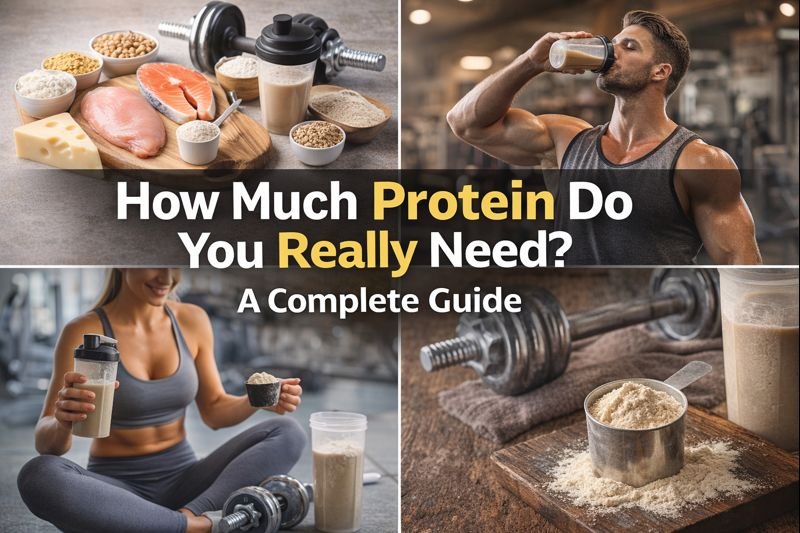
Protein is one of the most talked-about nutrients in fitness, health, and weight-loss communities — but how much do you actually need each day? Whether you’re aiming to build muscle, lose fat, recover from workouts, or simply stay healthy, protein plays a key role. Let’s break it down clearly and usefully.
Why Protein Matters
Protein isn’t just for bodybuilders. It’s essential for:
✅ Muscle growth & repair
✅ Healthy metabolism and immune support
✅ Hormone and enzyme production
✅ Feeling full and controlling cravings
Your body uses protein to build tissues and support daily functions — not just for aesthetics. Healthy protein intake is important at every age. Healthline
How Much Protein Do You Really Need?
There’s no one-size-fits-all number, but your ideal intake depends on your goals and activity level.
🧍♂️ For the Average Adult
Most adults need at least:
0.8 grams of protein per kilogram of body weight per day
➡️ That’s roughly 50–60g per day for many people. Healthline
This amount helps prevent deficiency, supports basic health, and keeps your body functioning properly. Harvard Health
💪 For Active People & Gym-Goers
If you exercise regularly — especially strength training — your protein requirements increase:
👉 1.2–2.0 grams per kilogram of body weight per day
Why?
- Your muscles need more protein to repair and grow
- More protein helps with fat loss while preserving muscle
That means:
- A 70 kg person might need 84–140g daily
- A 90 kg person could need 108–180g daily
📊 Athletes and serious lifters may aim for the higher end. wwww.herbalife.com
👵 Protein and Aging
As we get older, muscle loss becomes a bigger concern. Many experts believe older adults benefit from more than the minimum protein to keep muscle and strength. Healthline
How to Split Your Protein Intake for Best Results
Rather than eating most of your protein in one sitting, it’s better to spread it across meals:
✔ Aim for 20–40g per meal
✔ Include a protein source at breakfast, lunch, and dinner
✔ Add snacks like Greek yogurt, eggs, or shakes between meals
This helps your body use protein more effectively. uclahealth.org
Best Protein Sources (Whole Foods + Supplements)
Here’s how to get high-quality protein into your diet:
🥩 Whole-Food Choices
- Lean meats (chicken, turkey, beef)
- Fish & seafood
- Eggs and dairy (Greek yogurt, cottage cheese)
- Beans, lentils & tofu
- Nuts and seeds
🥤 Protein Supplements
Sometimes whole foods aren’t enough or convenient. That’s where high-quality protein powders come in — especially useful after workouts or when you’re short on time.
👉 Look for:
- Whey or plant-based protein powder
- Minimal added sugar
- Good mixability and digestibility
Supplements are not required, but they make hitting your protein goals much easier — especially when you’re active or trying to build muscle.
Signs You’re Not Getting Enough Protein
You may be short on protein if you notice:
❗ Excessive hunger
❗ Struggling to build or maintain muscle
❗ Poor recovery after workouts
❗ Fatigue or weakness
If any of these sound familiar, it might help to track your protein intake daily and adjust.
Common Myths About Protein Intake
❌ “More is always better.”
Too much protein doesn’t necessarily speed up results. Your body can only use a certain amount at once, and excess calories — even from protein — can store as fat. Mayo Clinic Health System
❌ “Protein is only for gym bros.”
Protein benefits everyone — from people training for sports, to those losing weight, to older adults wanting healthier aging.
Quick Formula to Estimate Your Ideal Protein
Bodyweight (kg) × Activity Level = Target protein (g/day)
- Sedentary: × 0.8g
- Moderately active: × 1.2–1.6g
- Highly active/strength training: × 1.6–2.0g
Example:
A 75 kg active person aiming to build muscle:
75 × 1.6 = 120g protein per day
How This Helps You Hit Your Goals
💥 Lose fat safely — protein keeps you full
💥 Build lean muscle — supports recovery
💥 Boost metabolism — more energy burned at rest
💥 Stay healthy longer — especially as you age
When your diet includes the right amount of protein — and you hit those targets consistently — results come faster and feel easier.
Want Extra Support Hitting Targets?
To make hitting your ideal protein easier, consider:
✔ A premium protein powder
✔ On-the-go protein bars
✔ Post-workout shakes
✔ Meal plans tailored to your goals
👉 Check out our selection of protein supplements and tools that help you hit your targets every day.
🔥 Summary:
Protein needs vary by age and activity level, but most active adults thrive with 1.2–2.0g per kg of bodyweight daily. Spread protein throughout the day, choose quality sources, and use supplements strategically to hit your goals faster.


